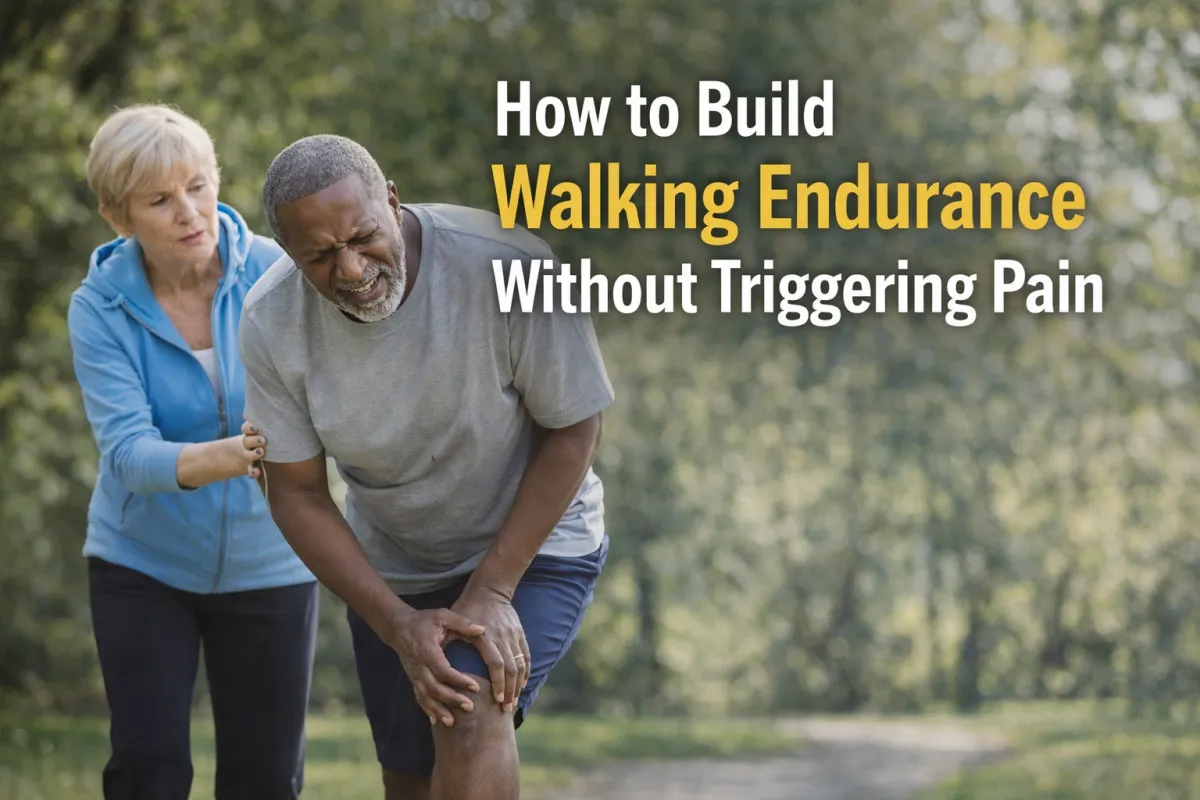
How to Build Walking Endurance Without Pain | Rochester Hills Physical Therapy
Walking is one of the most common ways people increase activity in spring.
It’s simple.
Accessible.
And easy to overdo.
As the weather improves, many people start walking more — longer distances, more frequent walks, or returning to a routine after a slower winter.
But then something frustrating happens:
Pain starts to show up.
Foot discomfort.
Knee soreness.
Hip tightness.
Low back pain.
This doesn’t necessarily mean walking is harmful.
In most cases, it means the body’s tolerance hasn’t caught up yet with the increased demand.
Why Walking Triggers Symptoms
Walking places repeated load through the body with every step.
This includes:
• Feet and ankles
• Knees and hips
• The spine
When walking volume increases too quickly, these areas may fatigue before they’ve had time to adapt.
This can lead to:
• Increased soreness
• Joint irritation
• Muscle tightness
If symptoms persist, it may be helpful to understand how conditions like Foot Pain, Knee Pain, or Low Back Pain develop when walking demand exceeds current tolerance.
Endurance Is Built Gradually
Walking endurance is not built in one long walk.
It improves with:
• Consistent exposure
• Small increases in time or distance
• Adequate recovery between sessions
The body adapts when stress is applied gradually.
Large increases in walking — such as doubling distance too quickly — often lead to setbacks because tissues are not yet conditioned for that level of load.
Signs You’re Progressing the Right Way
As walking tolerance improves, certain signs indicate that your body is adapting well:
• Symptoms settle quickly after walking
• Discomfort does not worsen day-to-day
• Recovery feels faster over time
These are positive signs that your body is building endurance and handling increased activity appropriately.
When to Adjust Your Walking Routine
If symptoms begin to linger or worsen, it does not mean you need to stop walking completely.
Instead, adjustments can help maintain progress without overload:
• Slightly reduce distance or duration
• Maintain consistency rather than stopping
• Gradually rebuild intensity
This approach allows continued progress while giving tissues time to recover and adapt.
How Do You Build Walking Endurance Without Causing Pain?
Walking endurance improves when activity increases gradually and consistently over time.
When walking volume increases too quickly, tissues may become irritated because they are not yet conditioned for repeated load.
By progressing slowly, allowing recovery, and adjusting intensity when needed, the body can build tolerance without triggering persistent symptoms.
When Pain Persists
If walking continues to cause pain that does not improve with simple adjustments, it may indicate underlying movement limitations or strength deficits.
Targeted treatment can help:
• Improve joint mobility
• Restore proper movement patterns
• Build strength to support walking tolerance
At Restore Physical Therapy, treatment focuses on identifying these limitations and helping patients return to walking comfortably and confidently.
Common Questions About Walking and Pain
Is it normal to have pain when walking more?
Yes. When walking increases after a period of lower activity, tissues may temporarily become irritated as they adapt.
Should I stop walking if I feel pain?
Not necessarily. Reducing intensity or distance while maintaining consistency is often more beneficial than stopping completely.
How fast should I increase my walking?
Gradual increases — such as small changes in time or distance — allow the body to adapt without overload.
Learn More About Common Pain Conditions
If walking is causing discomfort, these guides may help you better understand what may be contributing to your symptoms.
Foot & Ankle Pain Guide
Foot and ankle discomfort is often one of the first signs of overload with increased walking.
➡ Learn more about Foot Pain
Knee Pain Guide
Knee pain commonly develops when walking distance or frequency increases too quickly.
➡ Learn more about Knee Pain
Low Back Pain Guide
Back discomfort can result from repetitive loading and reduced endurance in supporting muscles.
➡ Learn more about Low Back Pain
Hip Pain Guide
Hip tightness or pain may develop as walking demand increases and muscle balance is challenged.
➡ Learn more about Hip Pain
Neck Pain Guide
Posture during walking and daily activity can contribute to neck discomfort over time.
➡ Learn more about Neck Pain
Local Help for Persistent Pain
If walking-related pain continues to limit your activity, a professional evaluation may help identify the underlying cause.
At Restore Physical Therapy, treatment focuses on restoring movement, improving strength, and helping patients return to walking and daily activities comfortably.


